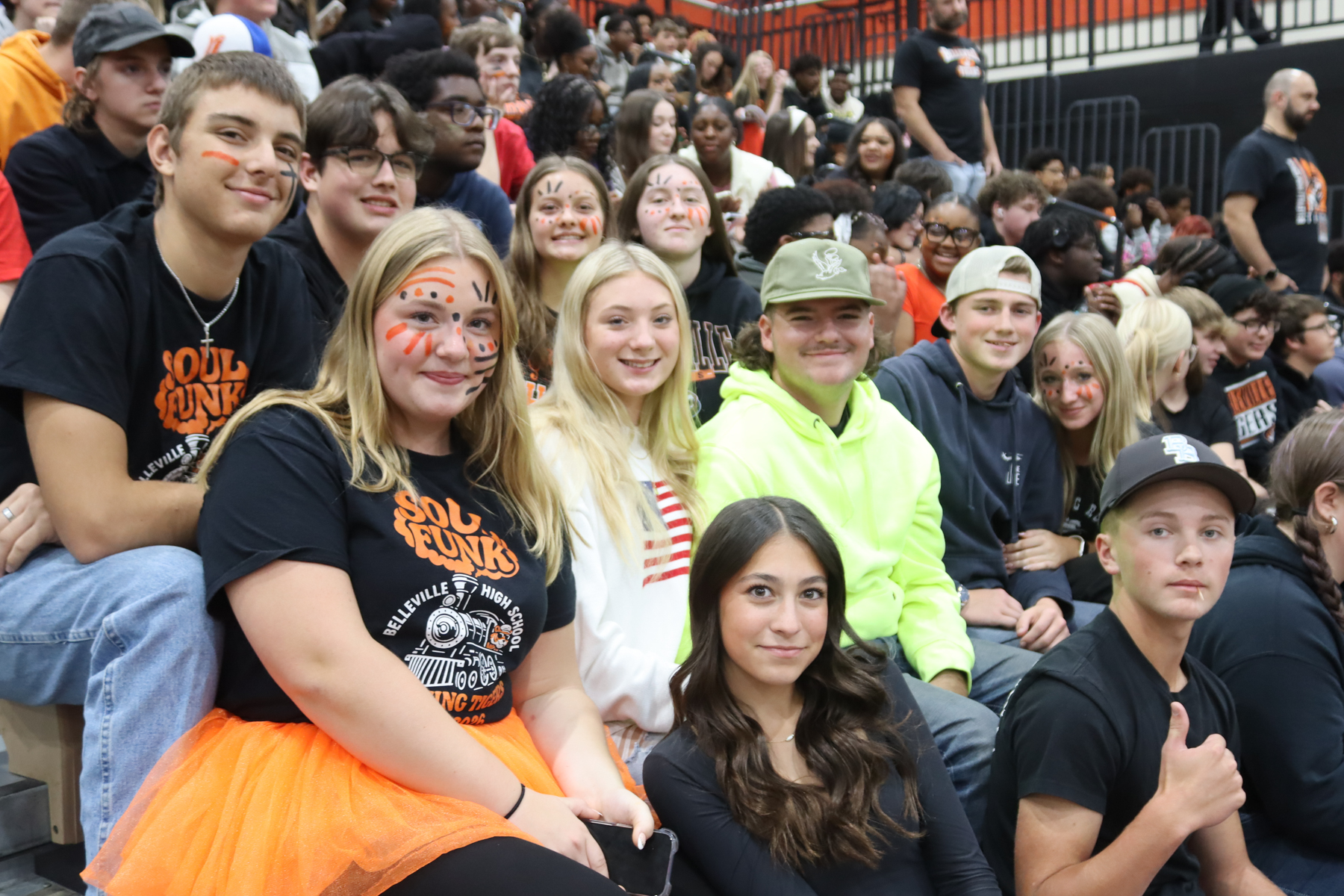
Have you ever wanted to cheer at a pep rally but stopped yourself, worried about what others might think?
At school events like pep rallies, you would expect students to be loud and excited. However, a most of the time, many people just sit there quietly or try not to stand out. Some students may want to show school spirit but hold back because they are worried about looking embarrassing. This is something many people online call “cringe culture”. Cringe culture mostly started on the internet. Online, people often post videos or pictures of others doing something they deem as awkward and make fun of it. Because of this many teenagers worry that if they act too excited, different, or expressive they could end up being judged or mocked.
Social media can make this pressure even stronger. According to the U.S Surgeon General, “adolescents who spend more than three hours per day on social media face double the risk of experiencing poor mental health outcomes, including symptoms of depression and anxiety.” When teens are constantly scrolling through social media, it becomes easy to compare themselves to others or worry about being judged. If something can be recorded, screenshotted, or reposted, people may think twice before fully being themselves.
This fear of judgment connects to something psychologists call conformity, which is the tendency to act or think like members of a group in order to fit in. In high school, fitting in and finding your identity within a group can feel very important for many adolescents. No one wants to be seen or labeled as weird or become the butt of every joke. Because of this, some students start mimicking how others act or dress instead of showing their real personalities. High school is supposed to be a time when people figure out who they are — students explore their interests, style, and personality. However, when people are afraid of being embarrassed or judged, they might stop expressing themselves altogether.
The toll this takes on mental health is real. The Centers for Disease Control and Prevention reports that teen mental health concerns have increased in recent years, with many students reporting a persistent feeling of sadness or hopelessness. While there can be many reasons for this, the pressure from social media and the fear of judgment can play a significant role. When students feel like they have to hide parts of themselves to fit in, it can negatively impact their confidence and overall sense of self.
High school should be a place where students feel comfortable being themselves. Nobody should feel embarrassed simply for expressing who they are. Cringe culture, fueled by social media, has made self-expression feel risky, but it doesn’t have to stay that way. When students choose to celebrate what makes them unique rather than mock others for it, the whole school environment becomes healthier and more welcoming. The first step starts with each individual: instead of scrolling past someone’s genuine excitement and rolling your eyes, consider what it would feel like to let yourself be that free. Your true self is worth showing to the world.