








According to the World Health Organization, 15% of adolescents ages 10-19 around the world experience mental health issues that go unresolved or unrecognized. They are either brushed off, deemed dramatic, or some teens don’t even realize that they have the condition. It’s very important to understand, recognize, and treat these conditions when they are still in adolescence, as that time in their life is one of the most unique and developmental.
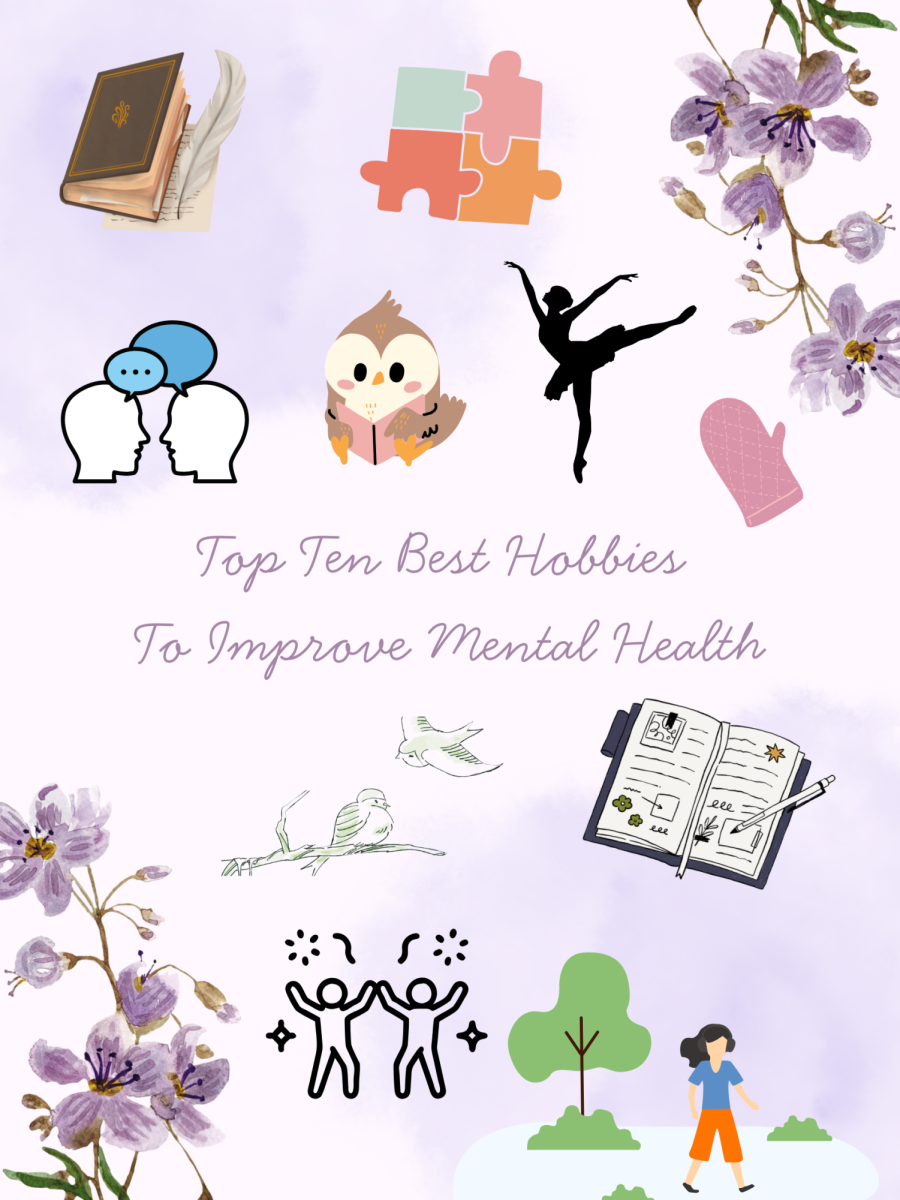
It’s also important to realize that most people this age don’t know how to treat their condition. Navigating anxiety, depression, etc. can prove to be extremely difficult for many who are this young. Knowing this, I’ve created a list of ten hobbies that I believe to be the most effective in improving mental well-being, and just to help those who need a little distraction from their bustling everyday lifestyle.
- Baking
For those with a sweet tooth, baking is one of the best and most rewarding hobbies! Baking a fun treat, whether it be something as simple as chocolate chip cookies or tiramisu, is the key to a happier stomach and a healthier well-being. It’s an activity that also stimulates all five of our senses, which has different benefits for those struggling with the symptoms that mental health conditions bring. Northern Healthcare’s website says “The stimulation of all our senses can increase our appetite, which may be helpful for individuals with a lack of appetite as a symptom of depression or other mental health diagnoses.”
Baking also has proved to boost our moods. It requires a level of calmness and concentration, which helps us lower our stress levels and ground us in the present moment. Plus, you get a delicious treat once you’re done! That finished product can help provide you with a sense of achievement as you realize you just made that yourself, and it tastes great!
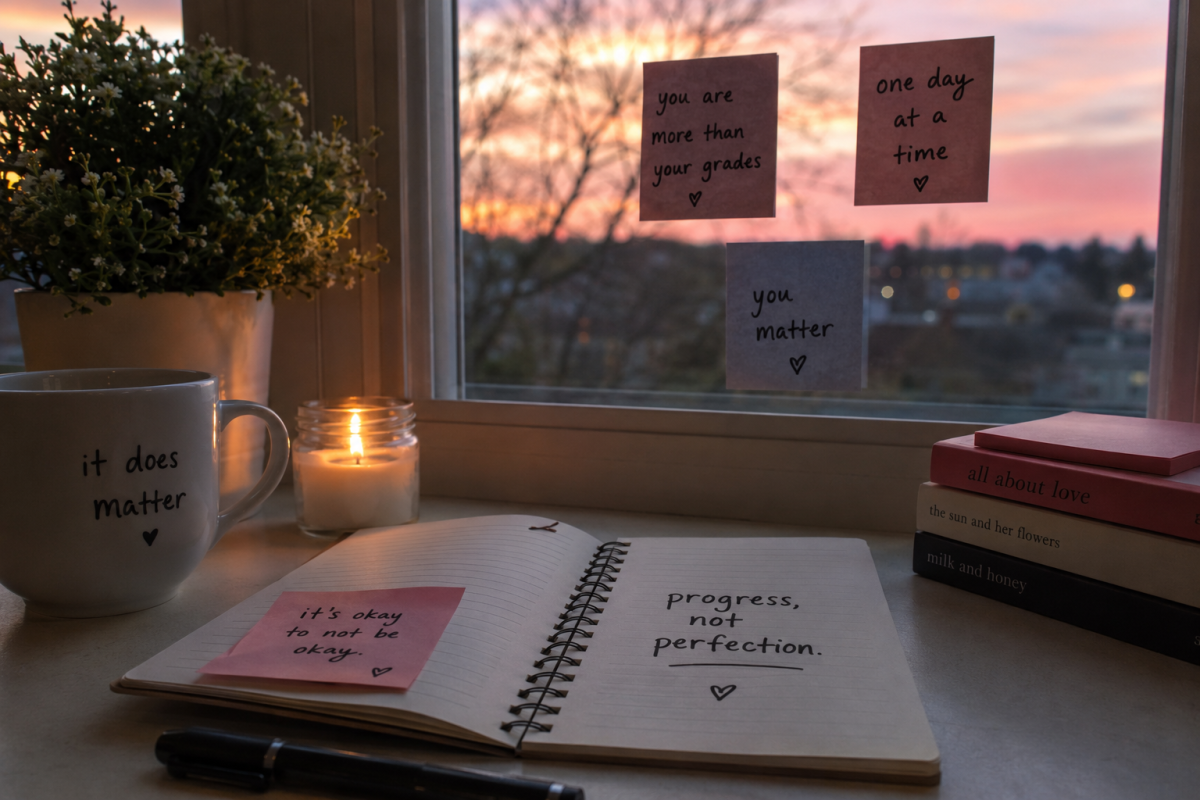
- Journaling
Numerous people believe talking about their thoughts and feelings to others isn’t easy. A lot of teenagers are typically brushed off when they try to express their mental health concerns. Instead of constantly experiencing that issue, journaling could be of use for many.
Writing down how you truly feel proves to be much easier than actually telling someone else. It provides an outlet for you to speak freely, without fear of judgment or getting around to other people. Putting down those racing thoughts you have on paper offers a safe space as well as a time to reflect. Reflection leads to clarity, which may help reduce the high levels of symptoms stemming from mental health conditions.
- Taking Nature Walks
Getting your body up and moving is the key to an improved mood. Put some headphones in, slip on your comfiest walking shoes, and take a walk around your neighborhood. It can be short or long, just going out and taking a moment to observe the world around you is the perfect way to get out of your head.
It doesn’t have to be done alone. If you prefer someone’s company, like your dog, a family member, or a close friend, then take them with you! This gives you a chance to strengthen your connections with those around you, and have great conversations along the way.
Additionally, walking increases endorphins in the body. Endorphins are hormones that are natural stress relievers that are released when the body is feeling pain or stress. The combination of going out to see beauty in nature and getting physical activity in ultimately create a great hobby for people struggling with their mental health.
- Poetry
Poetry is a form of literary art that can convey various different types of messages. Creating a piece of writing like a poem helps one to connect with something deep within themselves. It’s such a diverse sphere of art, and that’s what makes it such a great hobby for struggling adolescents. Those who struggle with expressing themselves out loud can use poetry as a channel to voice their passions.
PubMed Central says “Expressive writing can decrease physiological stress indicators such as lower muscle tension, reduce perspiration levels, and lower blood pressure and heart rate levels.” Not only does it help you internally, writing poems improves your overall well-being and boosts brain activity as you write.
One of the best parts about it is that it doesn’t have to be shared with anyone. Either it stays locked away within your own room, or you can share it with whoever you choose to. Poetry is a hobby where you have total control and freedom where at the same time, you’re helping your mental health.
- Birdwatching
Have you ever been outside and always see the same type of bird? Red robins, house sparrows, etc… If you’re curious to see the other 20,000 types of birds, then birdwatching, also known as birding, is the perfect hobby for you.
Math and engineering teacher, also avid birdwatcher, Ryan Said says “There are many mental health benefits to it. It gets you focused on nature, outside of yourself and your thoughts. You find new nature and beautiful things you never knew existed.”
Birding is non-invasive, on the less expensive side depending on how much you want to invest, and the ideal weekend activity for those struggling with mental health. Birding can help ground you in the present moment as you listen for bird calls and explore the nature around you.
Moreover, studies show that birdwatching has actually proved to ease PTSD symptoms. The Wildlife Study states “We found that the response of veterans with PTSD to wildlife immersion suggests improved psychological symptoms as well as connection to nature/wildlife and increased understanding and concern for animal welfare and conservation-related issues.”
- Take a Class/Join a Club
Taking a class or joining a club is the greatest way to strengthen your passions and connect with others who enjoy the same things as you. Whether it be a dance class, pottery class, or book club, you can find a community for you. The options are endless!
Building a community is essential for those with mental health conditions. Isolation is the easiest path to make it worse. It can also offer comfort during rough times, and having someone to lean on is very important.
- Learn a New Language
Did you know that, other than English, Mandarin Chinese is the most spoken language in the world? There are up to 7,000 languages spoken globally, and you could choose any one you’d like to learn!
Studies have shown that learning an entirely new language induces a more powerful memory, stronger communication skills, and increased creativity. Learning a language also may help adolescents struggling with identity find purpose and self. There are endless benefits to learning a new language, as it will also form new connections with those who speak that language.
- Dancing
Taking a dance class, learning your favorite artist’s choreography, or even playing Just Dance is a fun, easy hobby for everyone to do. Don’t like going to the gym or running on the treadmill? Dancing gets your body active in the most enjoyable way.
Dancing has also proved to alleviate symptoms of depression and anxiety, as it gets your heart rate up as well as increasing focus, which gets you out of your negative thoughts alongside feeling good after getting in an excellent workout. Different mental health conditions also show signs of memory loss, which can actually be protected with dance, as your memory is sharpened as you learn the moves.
- Puzzles
Riddles, crosswords, and sudoku are just a few of the puzzles you could try. Puzzles are one of the hobbies that help you practice mindfulness. They put you into a state of “flow”, a relaxed state of mind where you’re fully absorbed in what you’re doing. Solving a puzzle allows you to build resilience against stress as that state of relaxation takes over.
Doing puzzles increases our brain’s production of dopamine, the neurotransmitter that releases feelings of optimism and happiness. In other words, what adolescents with mental health conditions are lacking. Our brains also go into a wakeful state while solving a puzzle, leading to lower stress levels.
- Reading
If you’re reading this article, you’re already one step ahead. Reading online or picking up a book is an easy way to reduce stress, expand your knowledge, and stimulate your imagination and creativity.
Baylor College of Medicine states “Reading helps to reduce stress and anxiety and takes your mind away from other things happening in your environment. Cultivating a quiet space to focus and be present in the moment promotes mindfulness.” Teenagers experiencing mental health problems will receive many benefits from reading, as it reduces obstructive thoughts and feelings that may occur from mental health conditions.
These hobbies listed are all sufficient methods to combat your mental health conditions. All in all, remember that you are never alone. Utilizing one of these hobbies listed, and doing it with someone you love, is one step closer to feeling a bit better on harder days!