










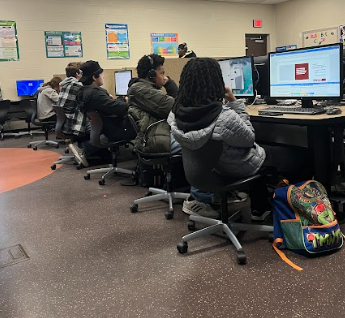
If technology suddenly didn’t exist anymore, how would people adapt to it? Nowadays, many students rely heavily on technology instead of simply thinking about their work using their own brain. Devices and AI have made learning significantly easier, but at the same time changed the way students think and remember information.
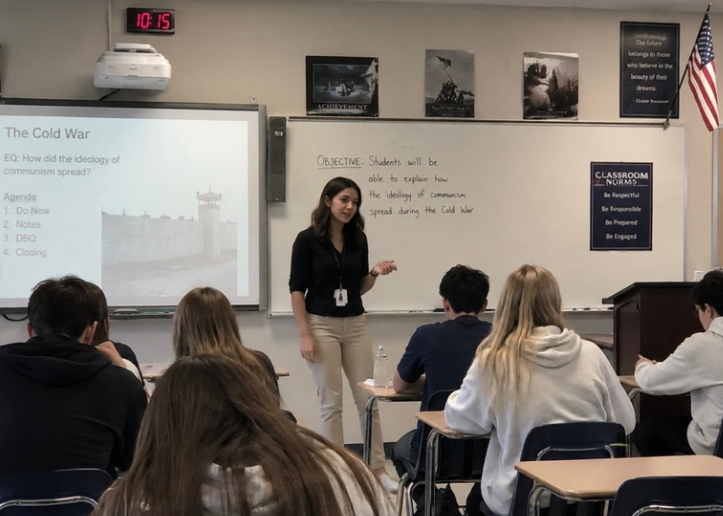
Teachers have even noticed impact that technology has on students over time.
Mrs. Harris believes that students rely heavily on technology because “We grew up with it” and she believes that social media has drastically changed our attention span negatively.
Ms. Johnson went on to say that, while technology can be helpful in many ways, students tend to misuse it because they don’t want to think critically on their own.
Mrs. Cross noticed that technology created “dopamine hits”, making students highly addicted to their devices and way too dependent on their devices for completing assignments.
Some schools out there are trying to find ways they can limit technology when it comes to learning in the classroom. Mrs. Harris recommends that they should ban phones during classes to help students use their resources like textbooks to find information instead of relying on a device which does that in seconds. Ms. Johnson suggests more paper assignments, and Mrs. Cross suggests “technology-free days” twice a week. These strategies that those teachers suggested could show schools the benefits of not having technology around students during school hours.
Too much technology over time could drastically affect students memory and critical thinking. Ms. Harris says that, “Technology causes students not to remember things as fast.”
On the other hand, Ms. Johnson believes technology will have a negative effect on students because they are so reliant on it.
Mrs. Cross believes that technology gives “fake connections” instead of real learning, causing a lot more harm than good. Despite all of this, Mrs. Harris believes that with proper use, technology can actually have good effects on students.
Technology will continue to change the way classrooms are taught, but it can’t replace our brains just yet. Learning works best when students actually engage on what’s going on and use their brains to authentically solve problems instead of a tool for quick answers. Overall, technology can be highly beneficial if students would know how to use it in a way that would help them learn.