


















INFJ personalities are the rarest personality type and very underrated that most people often misinterpret an INFJ personality as overly hard to read, but their quiet depth and thoughtful nature are what make them so insightful.
INFJ personalities are characterized by being introverted, intuitive, judging, and feeling. They are also called “The Advocate” or “The Counselor,” being known for their strong empathy, intuition, idealism, a desire for meaning, helping others, but also in need for recharging and solitude. They are the kind of people who notice changes in one’s mood or behavior before anyone else notices. They listen carefully and ask meaningful questions, trying to understand problems at their root instead of brushing them off.
According to 16 Personalities website, a site that offers a free personality test, INFJ personalities make up only 1-2% of the population, which explains why Iheir unique approach to life often stands out. Especially in a world that moves quickly and rewards loud voices. “In the end, it’s your actions, how you respond to circumstance, that reveals your character.” (Cate Blanchett). INFJs bring something different: intention, empathy, and reflection. They also state that their strengths are insightful, principled, passionate, altruistic, and creative. While they also withhold weakness, such as sensitivity to criticism, reluctance to open up, perfectionism, avoiding the ordinary, and prone to burnout. In conclusion, they are rare, creative, and idealistic individuals who deeply value understanding themselves and using their strengths to achieve personal growth and a meaningful purpose in life. It encourages INFJs to fully embrace their unique traits to unlock their potential in relationships, careers, and life.
The Myers-Briggs Type Indicator is (MBTI) another assessment that sorts individuals into 16 personality types based on four key areas like: Extroversion/Intorversion, Sensing/Intution, Thinking/Feeling, Judging/Perceiving. It’s used for self-growth, development, communication skills, and team-building.
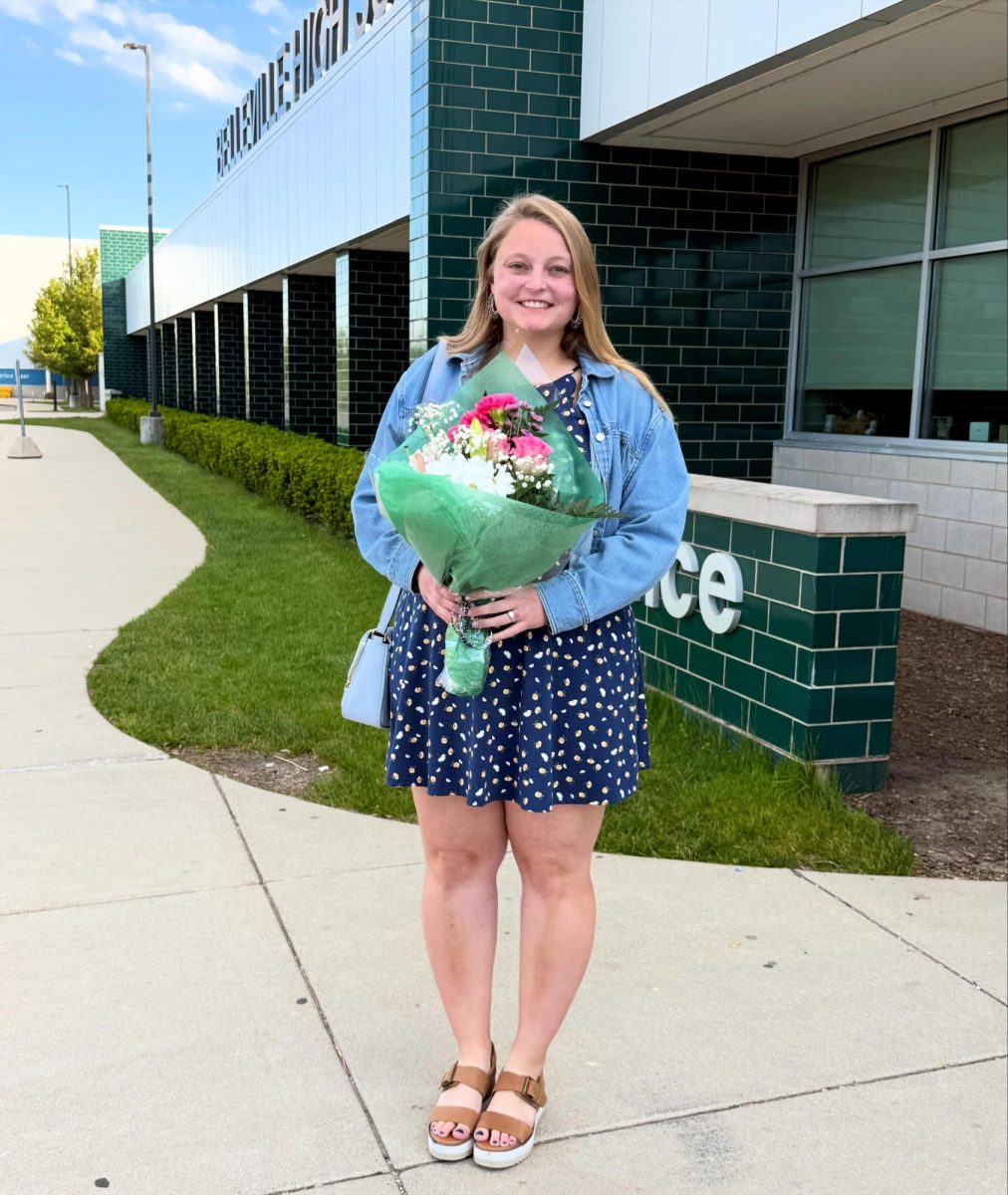
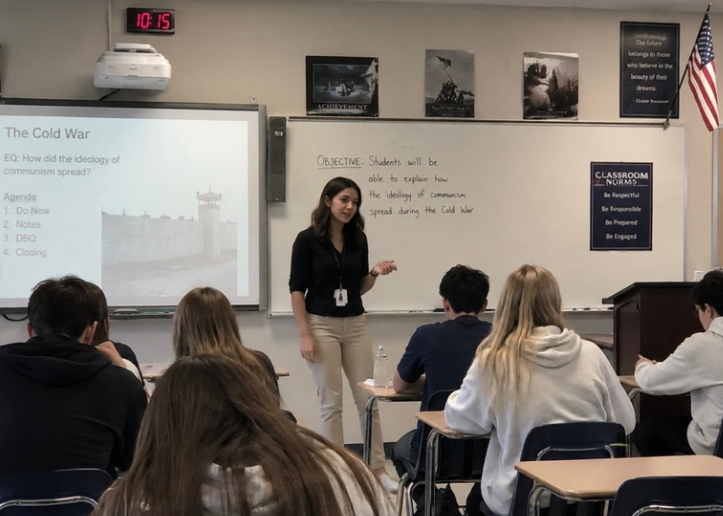
Mrs. Clarke, a AP U.S. History, U.S. History & Geography, Government and Social Studies teacher at BHS is in fact an INFJ herself. She provided insight on what she believes her personality means to her. “I love being an INFJ. It’s great to know there are others who are just as weird and quirky as I often feel. It also helps me better understand how I relate to people of different personality types.”
Mrs. Cross, an BHS English teacher who is also an INFJ personality, provided insight on what she believes her INFJ personality is important. “I think INFJ personality types are super valuable because we bring strong empathy and intuition into every space. We naturally understand people and help to create harmony and meaningful connections amongst groups. That kind of skill helps in any environment!”
Mr. Chicko, a Law Enforcement and Public Safety instructor at Willam D Ford Technical Career Center who is not an INFJ personality, also provided insight on why he thinks INFJ personalities are important. “It’s important to know when to stay in your lane, meaning knowing when to stay to yourself. Don’t be afraid to ask questions or the answer will remain unknown. It’s ok to feel, it’s not when you don’t. Judging is necessary, for how else would we know right from wrong. That’s why I feel INFJ personalities are important.”
Being an INFJ personality myself, in my own opinion, I believe that INFJ personalities are important because they value purpose and meaningful connection. Despite their calm nature, INFJ personalities aren’t passive, they question unfair systems and push for change without needing the spotlight. Their own strengths lie in their own abilities to imagine better possibilities while motivating others through encouragement rather than force.