


As of late, the words “not everything has to be political” has been a shared sentiment by many, especially as the political climate has grown overwhelming. But what if I told you that everything is political. Especially fashion.
Throughout history the garments people wore have always reflected ideas, norms, and culture, which all feed into morals and the general views during a time period. It was required of women to wear skirts and dresses in most spaces up to the late 60s, men wore crop tops and short-shorts from the 70s-80s, minimalism is expressed through simple athleisure of the mid to late 2020s, but what does it all mean? Fashion shifts, changes, and recycles itself frequently and it speaks for itself when it comes to the political climate at the time. However, now, when the current discourse is flooded with “it’s not that deep,” and “This is such a non-problem,” we begin to reject thinking deeply about the trends and movements we follow on social media and in our daily lives.
Maybe The Curtains Are Just Blue
Does everything truly have to be symbolic? The phrase “maybe the curtains are just blue” derives from an internet meme that criticizes deep analysis of symbolism that likely is not there, typically in English lectures that draws an apathetic attitude toward those who look too deep into discourse and issues that don’t require such digging or analysis. This ties into the “wokeness” of being too aware, and not allowing people to just enjoy things. However, why is being woke considered bad, and why is analysis of the seemingly mundane frowned upon? Being woke initially meant being awake to or aware of racial injustice within society, deriving from the African American scene and is considered AAVE. Like many other words from this certain dialect, it was transformed to fit a broader demographic typically from misuse and misunderstanding of the word. This shift in the word is characterized by being too attentive to catering to minorities and hyper-focus on limiting offending others or being bigoted. This has largely turned itself into a meme but also reveals resentment toward individuals who care deeply and social equality and potential overstepping when it comes to defending certain communities. But how is this related to fashion?
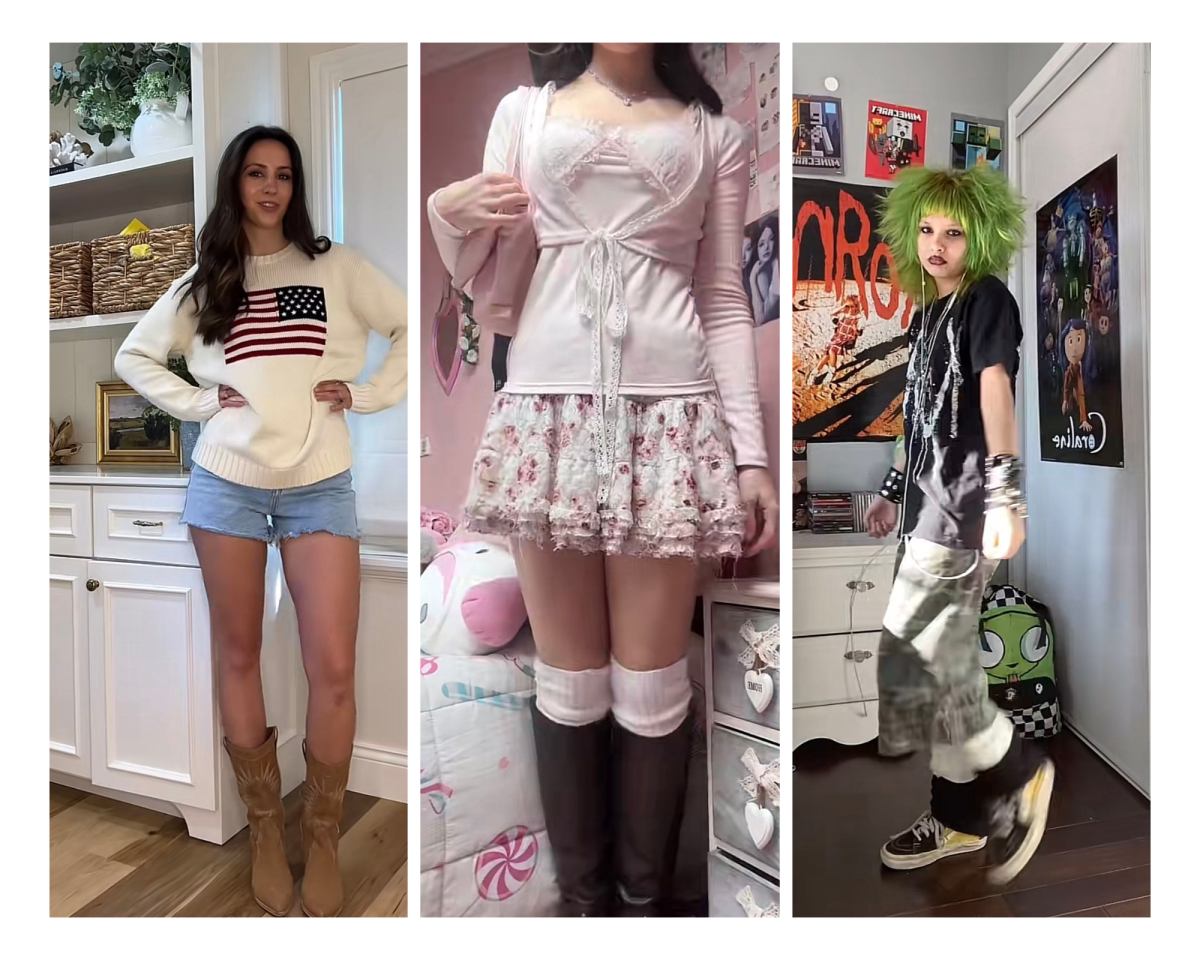
This generation’s fashion can be described as an amalgamation of aesthetics and styles that do not define one time period or era, especially due to microtrends. One of these microtrends are the “clean girl” aesthetic, commonly associated with neutral colors like whites, beiges, grays, and sometimes sage greens. This aesthetic placed an emphasis on self-care, de-cluttering, cleanliness, and a simple lifestyle. This rise of a seemingly harmless aesthetic made way for discourse on who typically fits into the clean girl aesthetic. In videos, usually on TikTok as well as Pinterest, the clean girl aesthetic was considered to be characterized by primarily white women. Many viewed this lack of diversity within the aesthetic as a silent way to insinuate the ideology that whiteness is cleanliness. This view on representation within the aesthetic both attracted agreement and outrage, many expressing that such a take is too woke or a reach. However, people of color being left out of aesthetics is not a new phenomenon. For a long time, before Pinterest diversified the algorithm, many aesthetics required the additional race within the search bar for users who may have been of color to see themselves in certain internet aesthetics.
Styles and Stereotypes
For decades, what people wear has assigned them tropes and stereotypes from “basic” to “weird.” This can typically be seen in film but also in real life. Similarly to how someone in a movie wearing glasses, a classically preppy outfit, and even braces would be seen as a nerd, someone wearing a black LuluLemon set and a slickback would be seen as basic. Fashion can make us assume plenty about a person, all the way down to personality. Someone who wears a lot of black might be considered emo despite being nowhere near affiliated with the emo scene just like someone who wears a lot of pink might be seen as bubbly and innocent. As for internet aesthetics, which tend to bleed into real life, the same goes and politics are more apparent.
For example, punks are known to step far beyond the norm and stand out more than the average individual. Spiky hair, spiky clothes, black or sometimes even bold colors, but the look is not the only aspect of someone who classifies themselves as a punk, but their politics and values. The Nonconformist Magazine describes punk values as, “a philosophy of hard work, determination, love, sacrifice, peace, and mental strength.” Going further into depth, punks tend to be left-wing rather than in the middle or right wing, advocating for individual freedom and picking the lesser of the two evils of the American government. On the surface, most of those uninformed of punks may mischaracterize them as emo, but will most of the time know that someone who stands out so much is likely a leftist. This is seen frequently in the alternative scene, the stereotypical liberal being blue-haired and queer. On the other side of the coin, heterosexual fashion and sometimes even right-wing fashion may be considered basic, following cultural norms and sometimes carrying patriotic undertones. Circling back to the clean girl aesthetic, it may have been perceived as right-leaning not only because of the lack of diversity, but also because of what many expect a certain politically affiliated group to look like. Fashion statements can be both intentionally political and unintentionally political. For example, wearing the Brandy Melville American flag sweater might make people believe that you approve of the current administration, even if it’s just a “cute sweater.” That doesn’t make you or anyone else a bad person; it just goes to show that your aesthetic can portray a political view, but may not be entirely accurate. During 2020, pride flags and rainbow designs were everywhere in support of pride, an inherently political topic that pushes a positive agenda. Fashion being political isn’t a means to make anything deeper than it is, because it is that deep. Exercising critical thought when it comes to our day-to-day choices, how we perceive others, and how we show up ourselves shows up politically frequently, because almost everything is political. From the way you talk, to the clothes you wear, politics tends to follow.