






















Over time, mental health has become a major issue in today’s society. Affecting human beings such as adults, teens, even young children, shaping how we learn, act, interact, and see ourselves.
Amid the chaos of life, we search for something steady, something that reminds us of who we are. For me, I searched for a different answer. That anchor came in the form of a sycamore tree- strong, patient, and quietly enduring, just like growth I had to find within myself.
Writing a memoir, I have discovered there were two meanings of ‘The Sycamore Tree’ which held deep meaning across many cultures and continents. The sycamore tree has a natural and a spiritual meaning. The European sycamore, originally from central and eastern Europe and parts of western Asia, had spread rapidly throughout the world after it was brought to Britain in the 1500s. Later on, the American sycamore grew naturally in the central and eastern United States and parts of southwest Canada, becoming one of the most recognizable trees in North America.
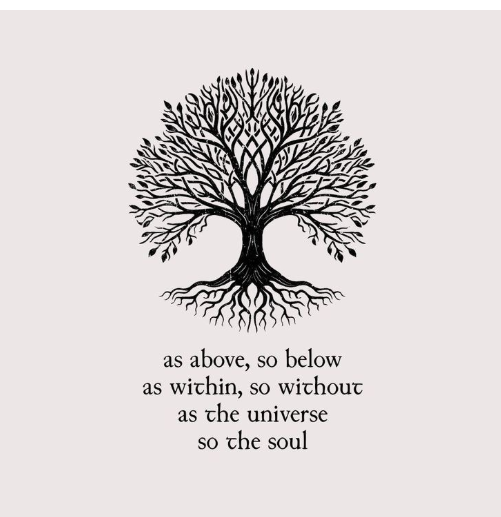
Spiritually, the sycamore has held deep meaning for thousands of years. In Ancient Egypt, it was honored as a sacred “Tree of Life,” believed to stand between the human world and the divine. It was associated with a goddess named Hathor which symbolized rebirth, growth, transformation, strength, and endurance. Native American groups have also viewed the sycamore tree as a bridge to the spirit world, something that connected them to their ancestors and higher guidance. In the Bible, the sycamore tree appears in stories of change and redemption. For example, like the time Zaccheaus climbed one to seek Jesus, showing how the sycamore tree often represented faith and transformation. Across cultures, the tree park that peels off the sycamore tree is viewed as a symbolization of renewal. The tall trunk of the sycamore tree is seen as wisdom, endurance through time, and spirituality.
But how does this relate to mental health? Well, the sycamore tree relates to mental health because of the symbolism it withholds such as growth, transformation, strength, endurance, and mirrors emotional growth that people experience when they face challenges in their lives. Just like when the tree sheds old bark, revealing something new, people go through difficult seasons that help them heal and rebuild. Its deep roots and endurance remind us that even in hard times, stability and growth are still possible.
BHS senior Lilliane Baskea, class of 2026, shared that growth often shows itself during uncomfortable but important experiences, “To grow, you need to accept your own fate and require changes.”
BHS staff member Judy Fretner reflected on what the sycamore tree represents to her, “The sycamore tree represents resilience, strength through adversity, and the peeling back the old layers in order to reveal a fresh perspective.”
As people across the country face increasing emotional pressures, the sycamore tree serves as a reminder that growth is steady, personal, and always possible. For example, through things like journaling, art, music, writing or faith. Whether you have creativity, connection, or inner strength, everyone has their own “sycamore tree” that helps them stay grounded and continue being stronger.