


We live in an era where a like and share on a video can save a life. A time in which people from all over the world are begging the average viewer for food, medical assistance, or money. One tap on our screens can be life or death, and yet, many users could not be bothered and may not even care. Some care, but there seems to be a trend in caring about some conflicts over others. It’s time we talk about Sudan.
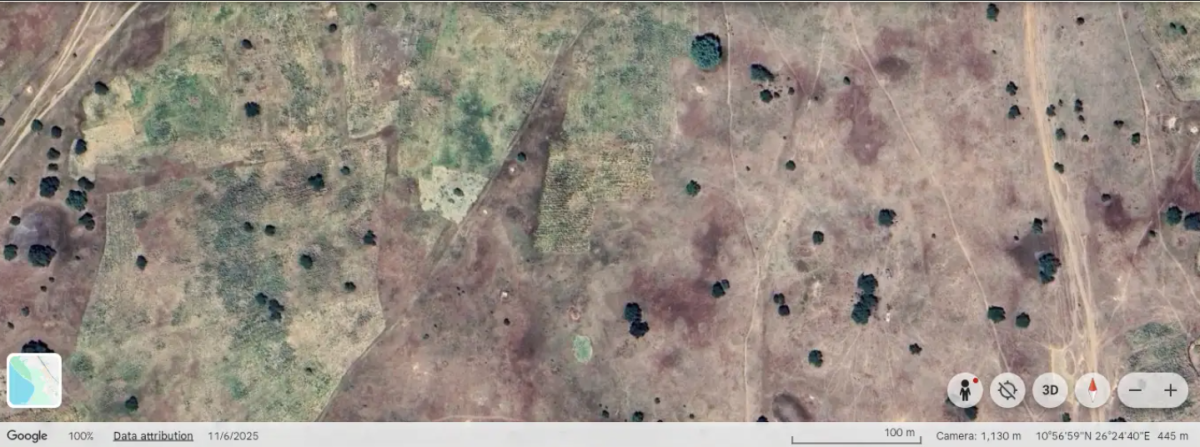
The blood spilled in Sudan is visible from space. Is that what it takes for people to care a little bit?
What Is Happening and Why?
Chances are if you have TikTok and you are an avid user as most people are, you have seen at least one video requesting revenue or at the very least video interaction (liking, commenting, sharing) because of the crisis in Sudan or in other areas like Congo, Palestine, or Ukraine. This is especially true if you are an activist, care about activism, or you simply want to know what is going on in the world. A common trend on the TikTok app is a humanitarian crisis will become popularized for a few weeks before fizzling out the relevancy. This has happened to Ukraine, where spreading awareness has mysteriously ceased in 2023 despite its intense need for aid. Similarly when #FreePalestine started trending across the internet, it eventually faded into obscurity, many creators or individuals simply giving up on boycotting, spreading awareness, donating, or even simply interacting with videos to help boost the visibility of the content in the algorithm. Sudan’s story on Tiktok is slightly different. #FreeSudan on TikTok has 97.4K posts while free Palestine has 6.6 million posts in comparison. On TikTok, users are frequently asked to at least interact with the videos they come across because if interacted with enough, the creator can receive monetization. However, not many people know about or even understand the crisis in Sudan. And even more don’t care.
Currently, 30.4 million people are in a humanitarian crisis, the Sudan conflict being the largest crisis since records began. This can all be attributed to the struggle of power between the RSF and the IRC. The RSF (Rapid Support Forces) is a powerful paramilitary force that was incorporated into the military during the 2000s to cease rebellion in the Darfur region, the heart of the rebellions being the Sudan Liberation Movement and the Justice and Equality Movement. The Arab population that had not been of Arab descent accused the Sudanese Government of oppression and inequality, which eventually led to the government’s attacking of non-Arabs, otherwise known as ethnic cleansing. The RSF originated from Sudanese Arab militia group that operates in the Sahel region in Sudan, known for their inhumane military tactics such as sexual assault and violence, genocide, starvation, and ethnic cleansing, known as the Janjaweed. This is why videos of people asking for any form of help may pop up on your algorithm, expressing their pain and circumstances. However, it is difficult to find videos solely through the search, as they appear “organically.” Is this censorship?
Understanding Voices in Need
In January of 2025, South Sudan’s government did temporarily revoke access to social media to censor those who would reach out to outside sources for help, which ended mid-January. Even before these restrictions, Sudanese people requesting help received very little views or engagement, and not many people with large platforms would speak out about Sudan the way they would Palestine. Even now, it is hard to search for videos like these to provide help, as if these efforts to reach other countries have been repressed entirely. When news channels like BBC and CNN cover Sudan and the voices in need, there is not as much traction as a more globally recognized conflict like Palestine. Sudanese peoples are being sexually assaulted, murdered, and tortured as war tactics, cries for help falling upon deaf ears. Unless a humanitarian crisis is considered popular enough or is the trend to follow, not many are listening and a lot less are actively helping.
Al Jazeera Media Network (AJMN) posted a video for English viewers interviewing refugee survivors of rape which only received 10k views on YouTube and even less likes. Fatimah Fadul speaks of her experience as a Sudanese woman, stating, “As Sudanese, we face the stigma. Mothers at home pressure the girl, telling her not to speak or to keep silent about the rape.” On top of the unrecognized media coverage, women are forced to keep quiet about their experiences with their abuse as they are deprived of resources and denied aid for health and safety. In a BBC documentary, Testimony From Frontline of Sudan’s Civil War, a Sudanese woman in tears shares her experience, explaining “There are women here who’ve been raped, but they don’t talk about it. They hide it. What difference would it make if they speak? What can we do? Tell me, what can we do?” Many Sudanese women are left helpless and hopeless, with no recognition or accountability held for the RSF by the Government. As much as the internet pushes to help those in need, Sudan has been left in the dark.